California State Room
Insurance Commissioner — California
Articles, candidate report cards, office explainers & public accountability
California 2026 — and the Road Beyond
Election: November 3, 2026. Research checked: October 7, 2026.
Every office deserves an explanation, and every candidate deserves the same questions. This page begins the public record for California’s insurance commissioner contest, with evidence that readers can inspect and challenge.
WHAT THIS OFFICE DOES
The commissioner heads the Department of Insurance, regulates insurers, enforces insurance laws, and handles consumer complaints. Both listed candidates are Democrats.
THE CANDIDATES
Ben Allen
Democratic. His statement favors competition, consumer enforcement, faster claims, and wildfire-risk reduction. He says he rejects insurance-company money.
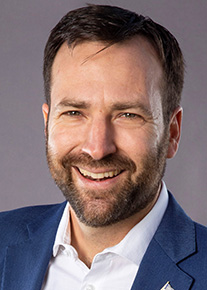
Question for the candidate: Which changes would improve availability and claims speed, and how would you measure their effects on premiums?
Jane Kim
Democratic. Her statement proposes a public disaster-insurance program, profit limits, anti-price-fixing enforcement, and faster claims. She says she rejects insurance-company and corporate-PAC money.

Question for the candidate: How would the public program be funded, what requires legislation, and who carries disaster losses?
PROVISIONAL SCORECARD
| Candidate | Clear commitments / 10 | Full report / 90 |
|---|---|---|
| Ben Allen | 6 | Not assigned |
| Jane Kim | 6 | Not assigned |
Why these limited scores: Both identify policy mechanisms. Allen emphasizes regulated-market changes; Kim proposes a larger public role. These scores assess specificity, not which model is preferable.
HOW TO READ THE SCORE
Provisional AI research assessment — not Omar’s final score or endorsement. This first pass rates only the clear, measurable commitments category using the candidate’s published statement. It does not rate personal character, policy desirability, or the likelihood of winning.
The 10-point rule gives up to two points each for: a stated action; an identifiable delivery mechanism; a connection to this office’s responsibilities; a quantified success target; and an implementation deadline. Two means explicit, one means partial, and zero means absent from the reviewed statement. Here, zero describes a missing element in this specific document, not the candidate’s ability or complete platform. A candidate with no reviewed statement remains unscored.
The other eight categories require broader evidence: relevant experience; accountability; education; affordability; economic opportunity; civil rights and religious freedom for everyone; environment; and practical use of office powers. They remain unscored in this first pass. No total out of 90 is assigned. A fuller record may change the provisional category score.
THREE VOICES — ONE OPEN RECORD
AI research: the sourced snapshot and limited assessment above. Voter response: Omar and other readers can give their own assessments. Candidate response: candidates can provide evidence, corrections, and their own scores. No candidate responses or endorsements are claimed here.
Who will win? No election forecast is assigned. This report contains no reviewed polling; a statement score is not a probability of winning.
We wish every candidate the best of luck and hope the result serves the people of California. The research remains open. The human decides.
SOURCES AND PORTRAITS
Official candidate statements and office responsibilities. Statements are supplied by candidates and are not independently fact-checked by the Secretary of State. The score evaluates the submitted wording; it does not validate every claim.
Official guide’s candidate list. Check the certified list and your own ballot for the complete applicable contest.