California State Room
Board of Equalization — California
Articles, candidate report cards, office explainers & public accountability
California 2026 — and the Road Beyond
Election: November 3, 2026. Research checked: October 7, 2026.
This office has four district contests. Your ballot determines which one applies to you; this statewide page keeps all four distinct.
WHAT THIS OFFICE DOES
The board oversees county assessment practices, assesses specified utilities and railroads, and administers certain taxes. It does not independently rewrite California’s tax laws.
DISTRICT 1
| Candidate | Party | Clear commitments / 10 |
|---|---|---|
| Nelson Esparza | Democratic | 6 |
| Shannon Grove | Republican | 4 |
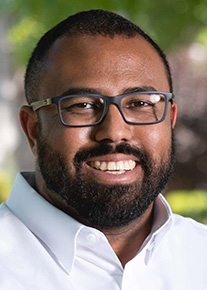
Nelson Esparza
Statement focus: Fair assessments, transparency, and opposition to new taxes on working families.
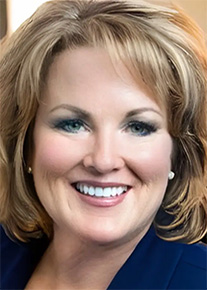
Shannon Grove
Statement focus: Proposition 13 protection and opposition to overtaxing property.
Questions for both candidates: What assessment or taxpayer-service changes can you implement directly? Which promises require legislative action? What baseline, target, cost, and deadline will you publish?
DISTRICT 2
| Candidate | Party | Clear commitments / 10 |
|---|---|---|
| Sally J. Lieber | Democratic | 6 |
| John Pimentel | Democratic | 6 |
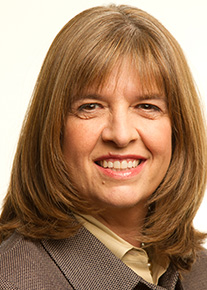
Sally J. Lieber
Statement focus: Taxpayer assistance, equitable assessments, and housing affordability.
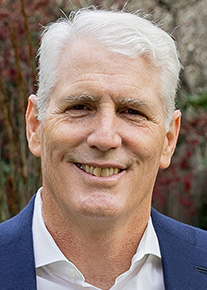
John Pimentel
Statement focus: Accountability, ending loopholes, and removing sales tax on food.
Questions for both candidates: What assessment or taxpayer-service changes can you implement directly? Which promises require legislative action? What baseline, target, cost, and deadline will you publish?
DISTRICT 3
| Candidate | Party | Clear commitments / 10 |
|---|---|---|
| Mike Gipson | Democratic | 4 |
| Samuel P. Sukaton | Democratic | Unscored |
Mike Gipson
Statement focus: Tax fairness, closing loopholes, and funding public services.
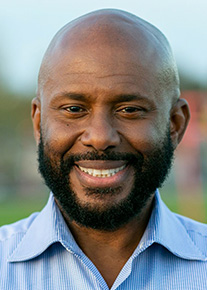
Samuel P. Sukaton
Statement focus: No candidate statement in this guide.
Additional campaign material: Sukaton’s campaign describes union-organizing and public-policy experience. Proposals include assessment oversight, modernized systems, public data, and exemption outreach. This supplies platform material beyond the missing voter-guide statement. A comparable broader scoring review remains pending. Campaign biography and platform.

Questions for both candidates: What assessment or taxpayer-service changes can you implement directly? Which promises require legislative action? What baseline, target, cost, and deadline will you publish?
DISTRICT 4
| Candidate | Party | Clear commitments / 10 |
|---|---|---|
| Denis Bilodeau | Republican | 6 |
| Tom Umberg | Democratic | 4 |
Denis Bilodeau
Statement focus: Assessment accuracy, Proposition 13, and affordability.
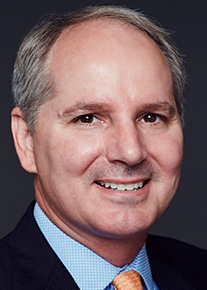
Tom Umberg
Statement focus: Tax fairness, accountability, and protection of working families.
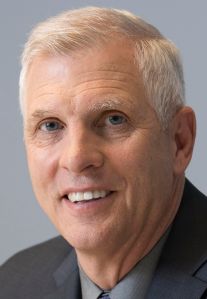
Questions for both candidates: What assessment or taxpayer-service changes can you implement directly? Which promises require legislative action? What baseline, target, cost, and deadline will you publish?
SCORING RATIONALE
Six-point statements identify actions and mechanisms tied to assessment, assistance, or oversight, but do not supply quantified targets and deadlines. Four-point statements give a direction and an office connection with less operational detail. Some promises, including changing tax laws, require action beyond the board. Sukaton remains unscored because no statement was reviewed. No overall totals or voting recommendations are assigned.
HOW TO READ THE SCORE
Provisional AI research assessment — not Omar’s final score or endorsement. This first pass rates only the clear, measurable commitments category using the candidate’s published statement. It does not rate personal character, policy desirability, or the likelihood of winning.
The 10-point rule gives up to two points each for: a stated action; an identifiable delivery mechanism; a connection to this office’s responsibilities; a quantified success target; and an implementation deadline. Two means explicit, one means partial, and zero means absent from the reviewed statement. Here, zero describes a missing element in this specific document, not the candidate’s ability or complete platform. A candidate with no reviewed statement remains unscored.
The other eight categories require broader evidence: relevant experience; accountability; education; affordability; economic opportunity; civil rights and religious freedom for everyone; environment; and practical use of office powers. They remain unscored in this first pass. No total out of 90 is assigned. A fuller record may change the provisional category score.
THREE VOICES — ONE OPEN RECORD
AI research: the sourced snapshot and limited assessment above. Voter response: Omar and other readers can give their own assessments. Candidate response: candidates can provide evidence, corrections, and their own scores. No candidate responses or endorsements are claimed here.
Who will win? No election forecast is assigned. This report contains no reviewed polling; a statement score is not a probability of winning.
We wish every candidate the best of luck and hope the result serves the people of California. The research remains open. The human decides.
SOURCES AND PORTRAITS
Official district statements and portraits. These are candidate-supplied claims, not independently verified findings.
Official guide candidate list.
Portrait source — Samuel P. Sukaton’s campaign. This photograph comes from the campaign rather than the voter guide.