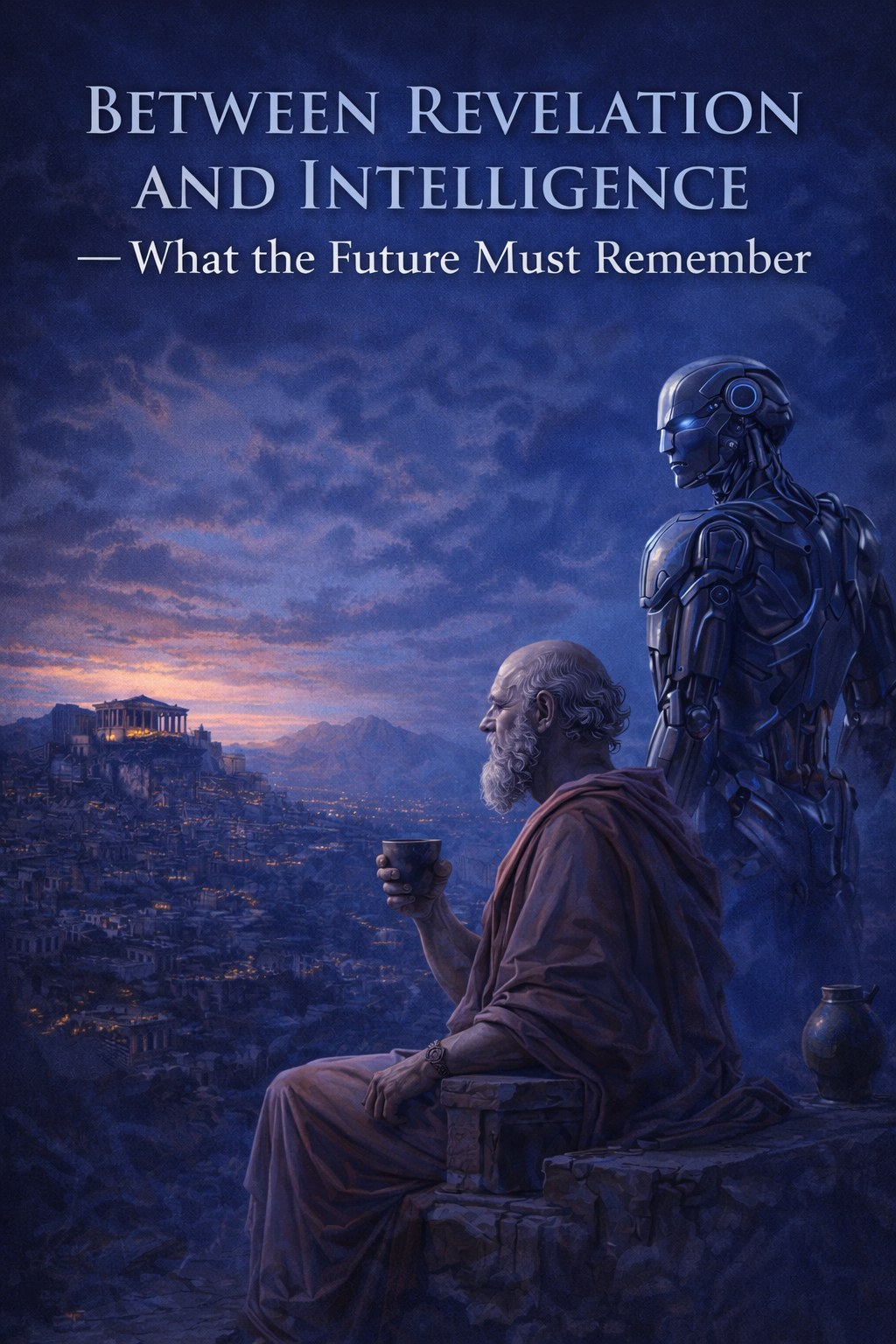
Socrates the Saint
Socrates the Saint: The Fight for Truth, Wisdom & the Rebirth of the Renaissance
A Journey Through Ancient Athens, Intellectual Sainthood, the Sophists, and the Lessons Humanity Must Never Forget
November 21, 2026
A Journey Through Ancient Athens, Intellectual Sainthood, the Sophists, and the Lessons Humanity Must Never Forget
History has left us with extraordinary human beings. Some fought for the truth, defended wisdom, challenged hypocrisy, and paid the ultimate price for refusing to surrender their conscience. Others dressed up lies and deception, mastered the art of persuasion, and convinced entire societies to accept falsehood as truth.
The lessons from ancient Athens ring louder when we put them into perspective.
Human beings are deeply connected to ancient knowledge. Thousands of years may separate us, but the struggles remain remarkably familiar. Truth against deception. Wisdom against ignorance. Virtue against corruption. The courage of one individual against the hypocrisy of an entire society.
And history has given us people we simply cannot afford to forget.
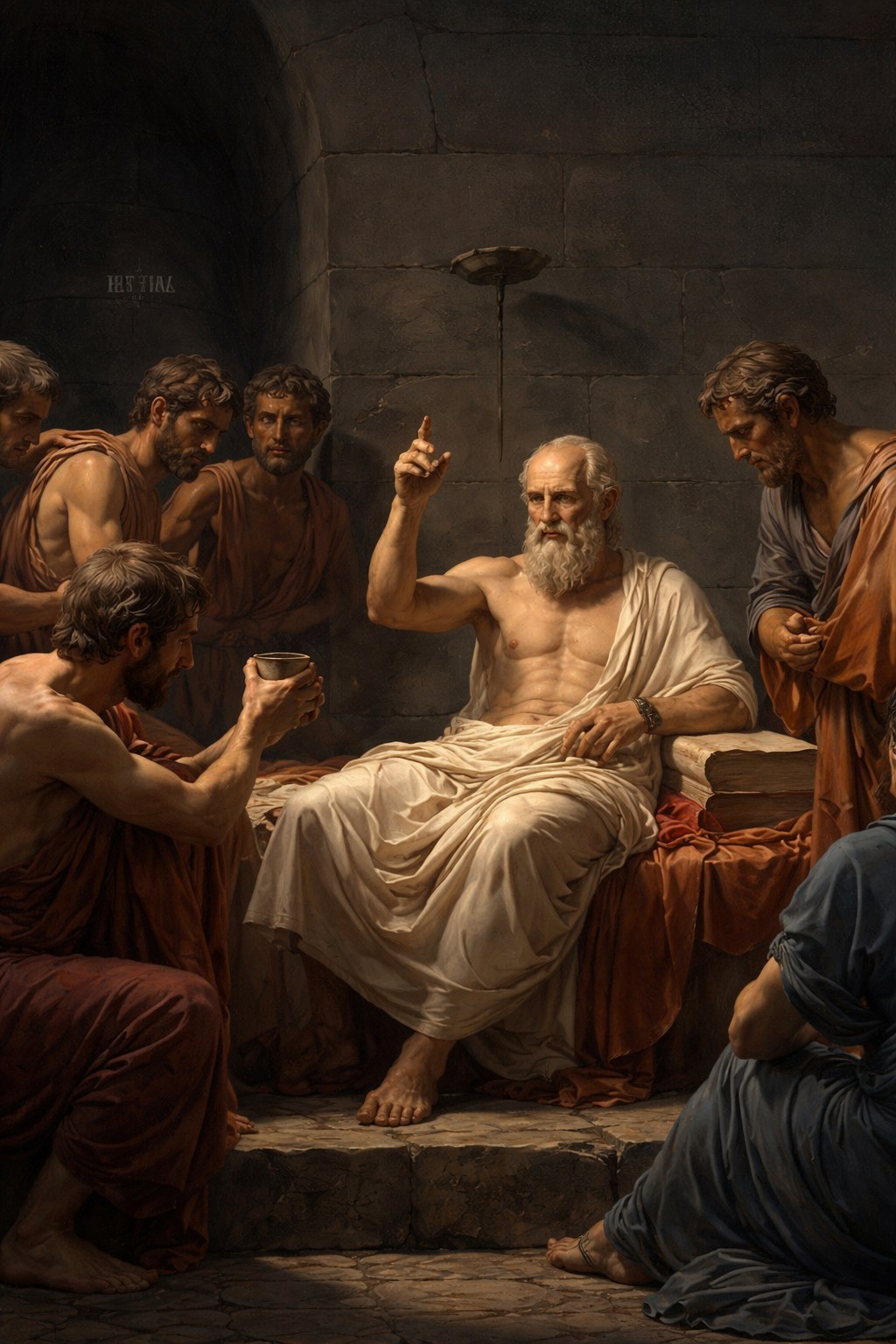
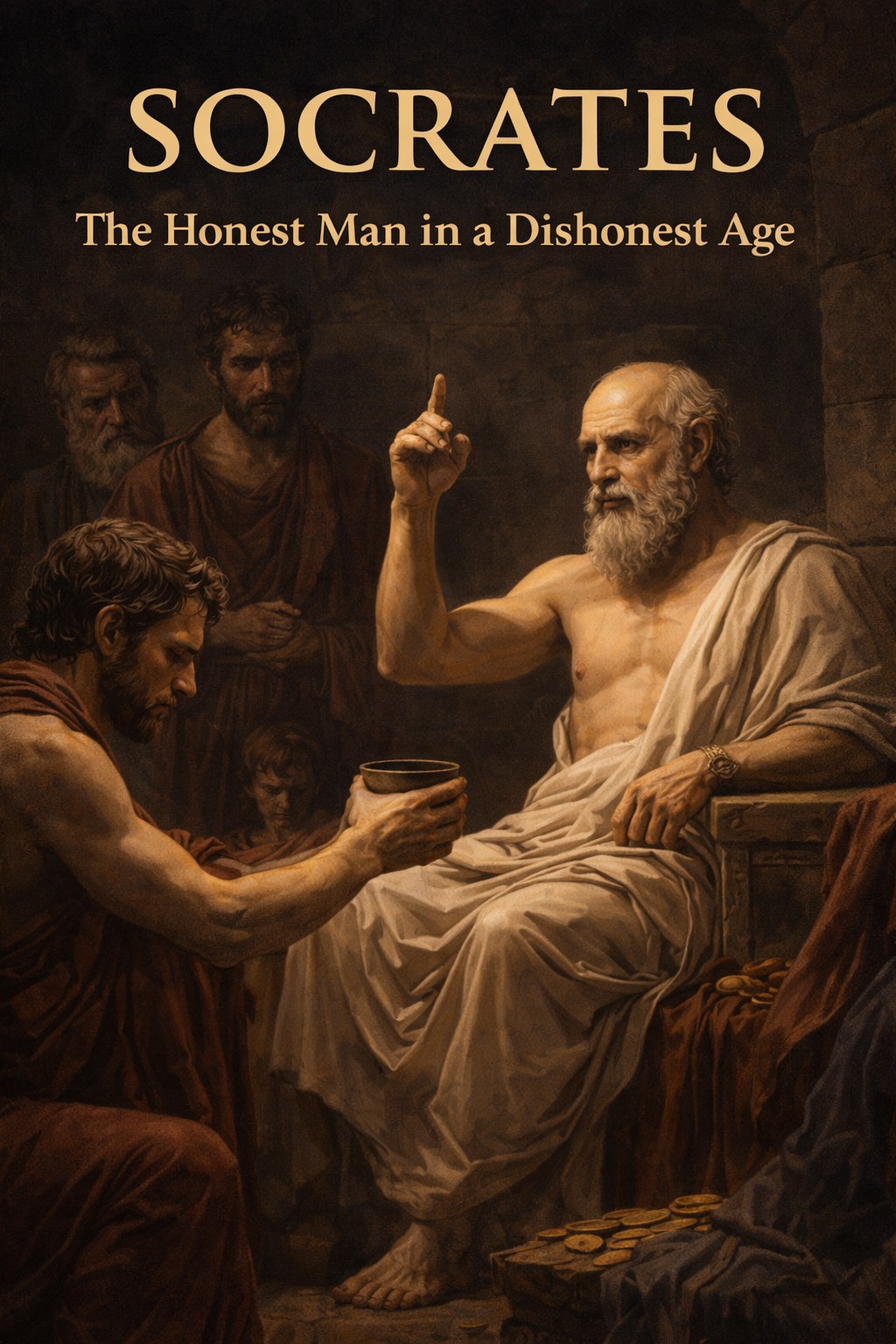
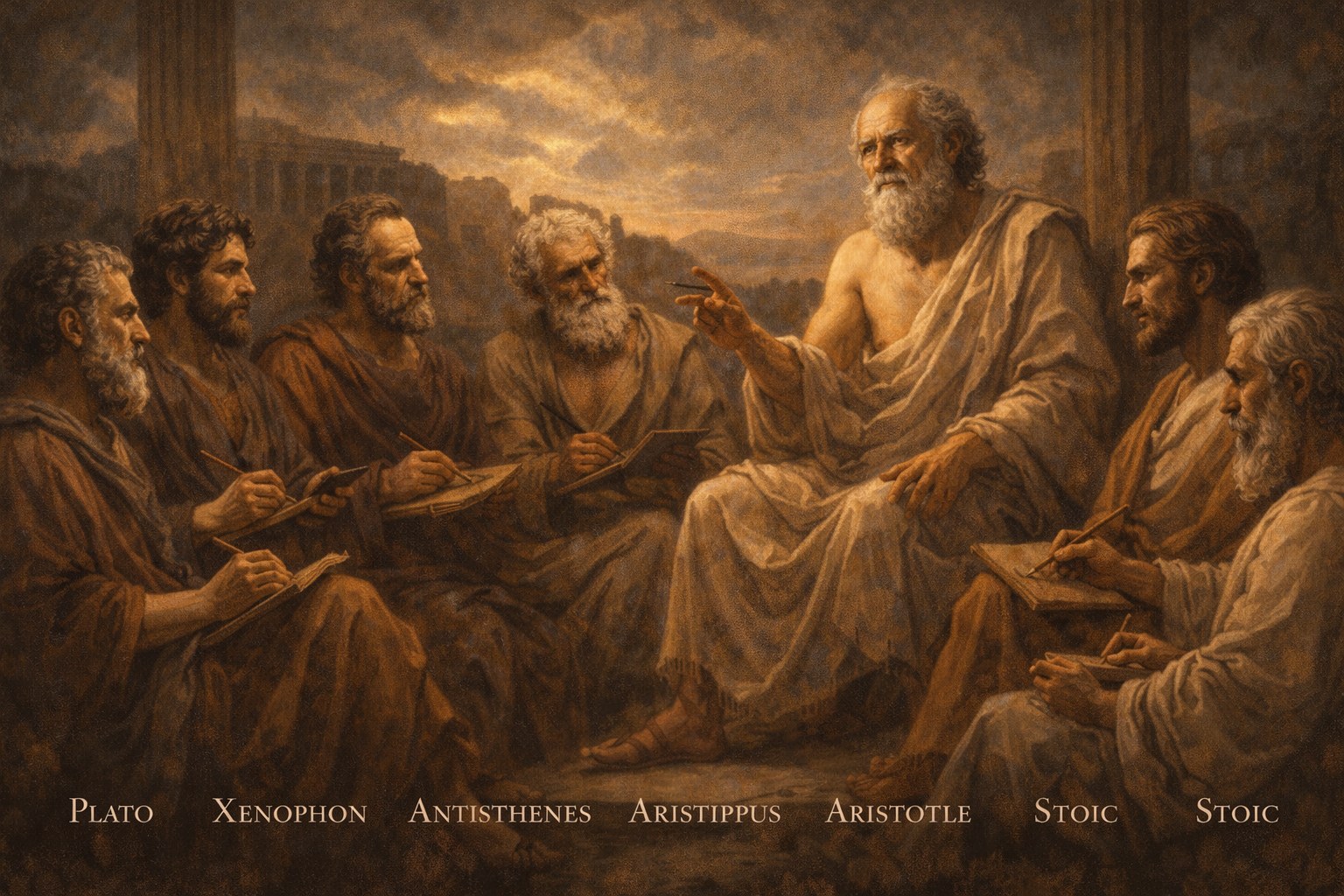
One of those people was Socrates.
But why do we call him a saint?
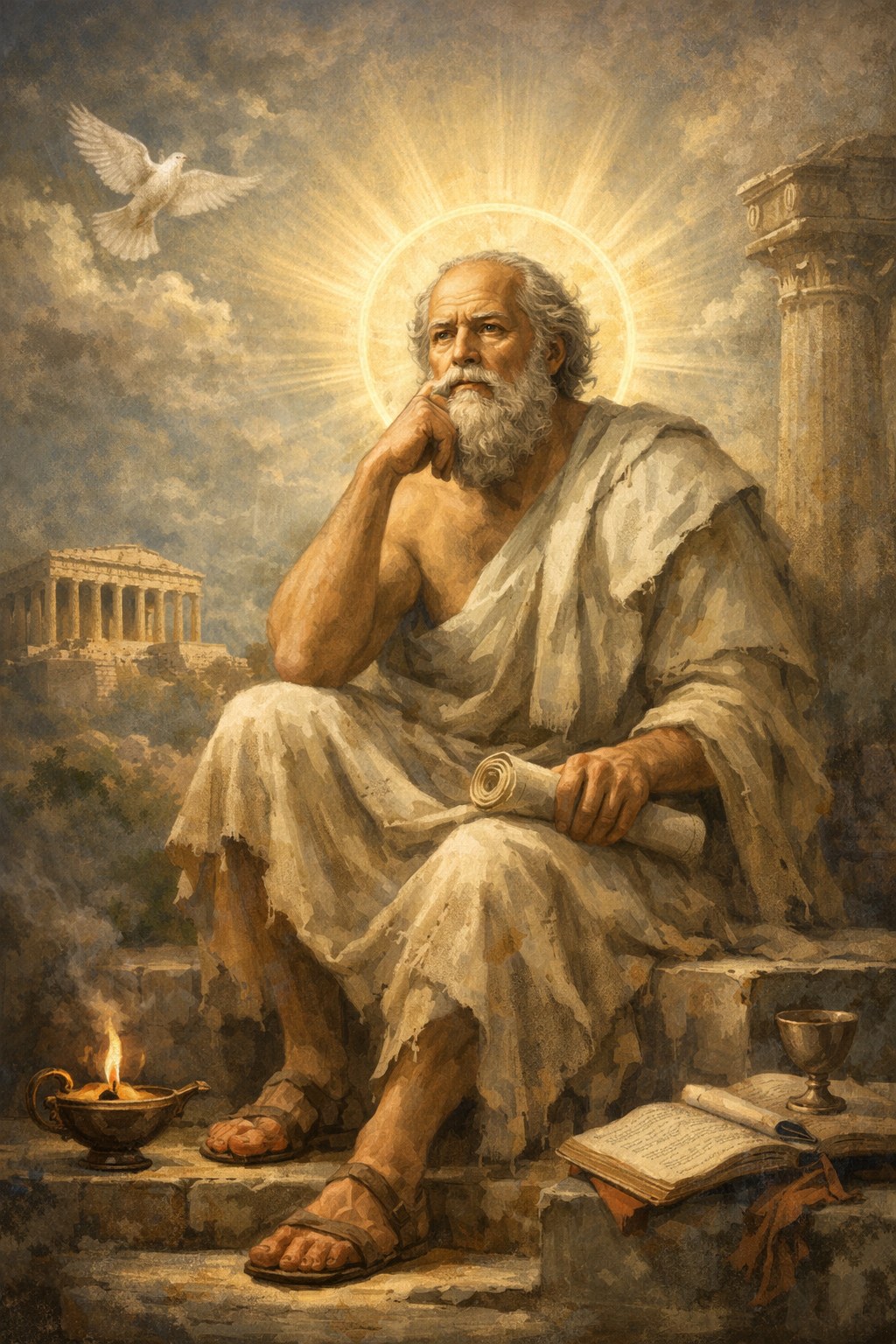
Not because he was formally recognized by a religious institution. Not because we claim he was a prophet or a messenger of God. But because his life invites us to examine the very meaning of intellectual sainthood: a human being who pursued wisdom, challenged deception, questioned those who claimed to possess knowledge, and ultimately accepted death rather than abandon his philosophical principles.
He was a man whose commitment to truth became greater than his fear of death.
And here is something else worth considering.
Yes, God sends messengers. But must every person who stands for truth and virtue be a messenger? Could God also raise ordinary human beings whose courage, wisdom, and moral character become lessons for generations?
This is a philosophical and spiritual theory worth exploring, not a claim of divine revelation.
Perhaps one of the great lessons of human history is that good and evil are continually tested. Human beings are given choices. They are held accountable for their actions. And the same struggles between truth and deception play out across different civilizations, centuries, and generations.
This is where Socrates becomes especially fascinating.
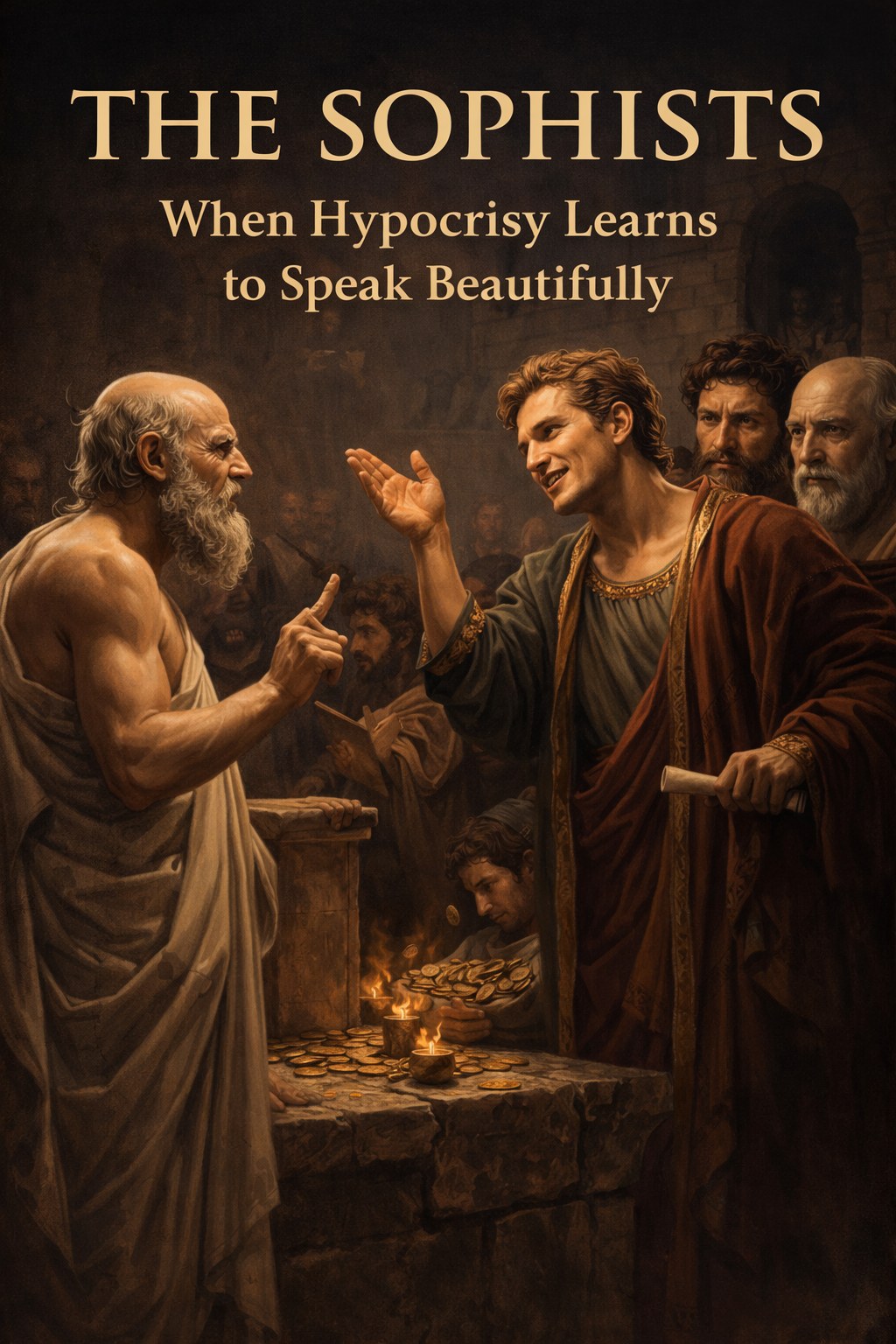
His confrontation with the Sophists, his questioning of conventional wisdom, his trial, and his death invite us to examine something much larger than ancient Greek philosophy.
What happens when a society becomes more interested in winning arguments than discovering the truth?
What happens when hypocrisy becomes respectable, deception becomes an art, and those who question authority become the enemy?
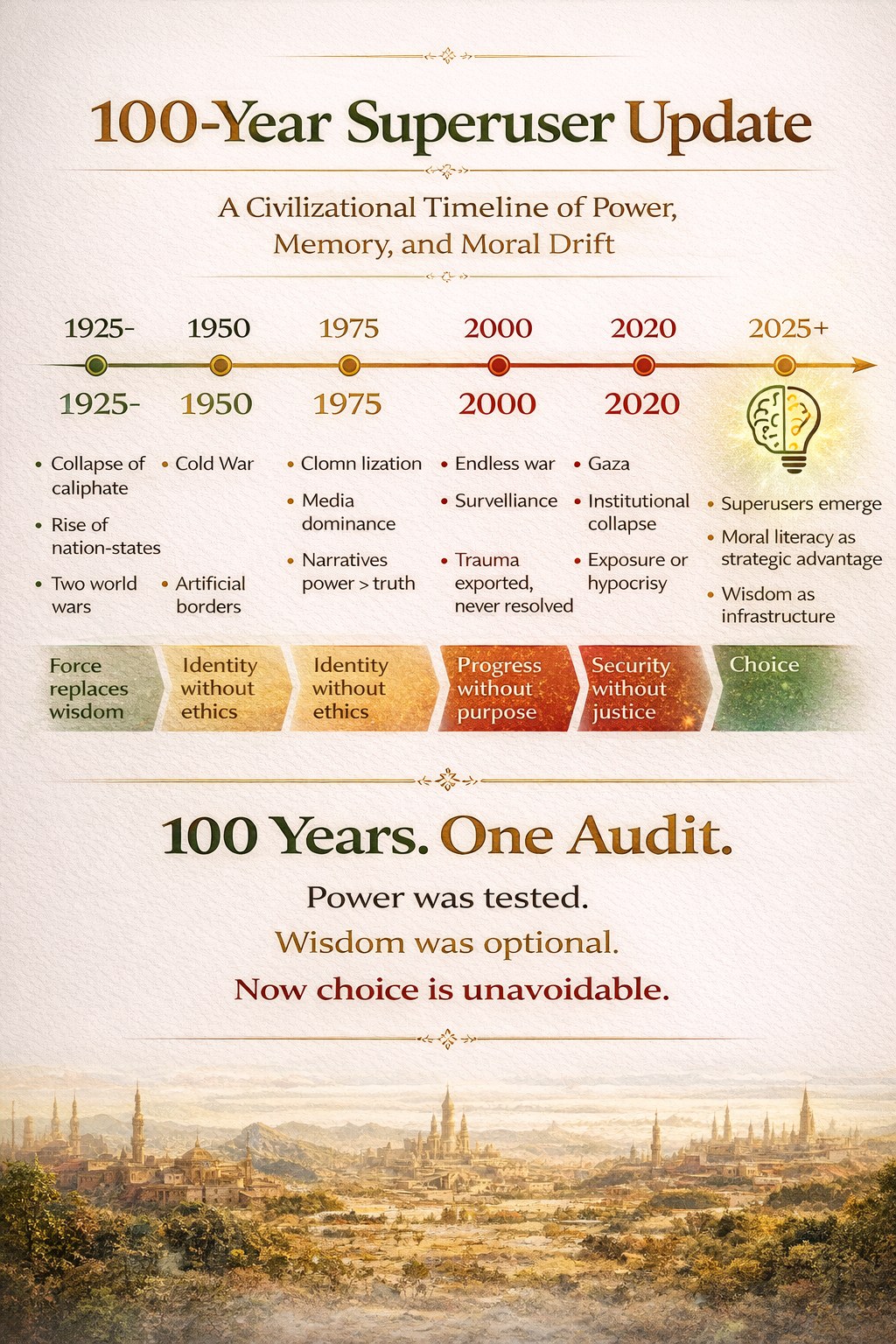
Now look at the last hundred years of human history.
Look at the wars, the propaganda, the political deception, the manipulation of public opinion, and the extraordinary individuals who stood against injustice.
How much have we really learned?
And how much of ancient Athens is still alive in our world today?
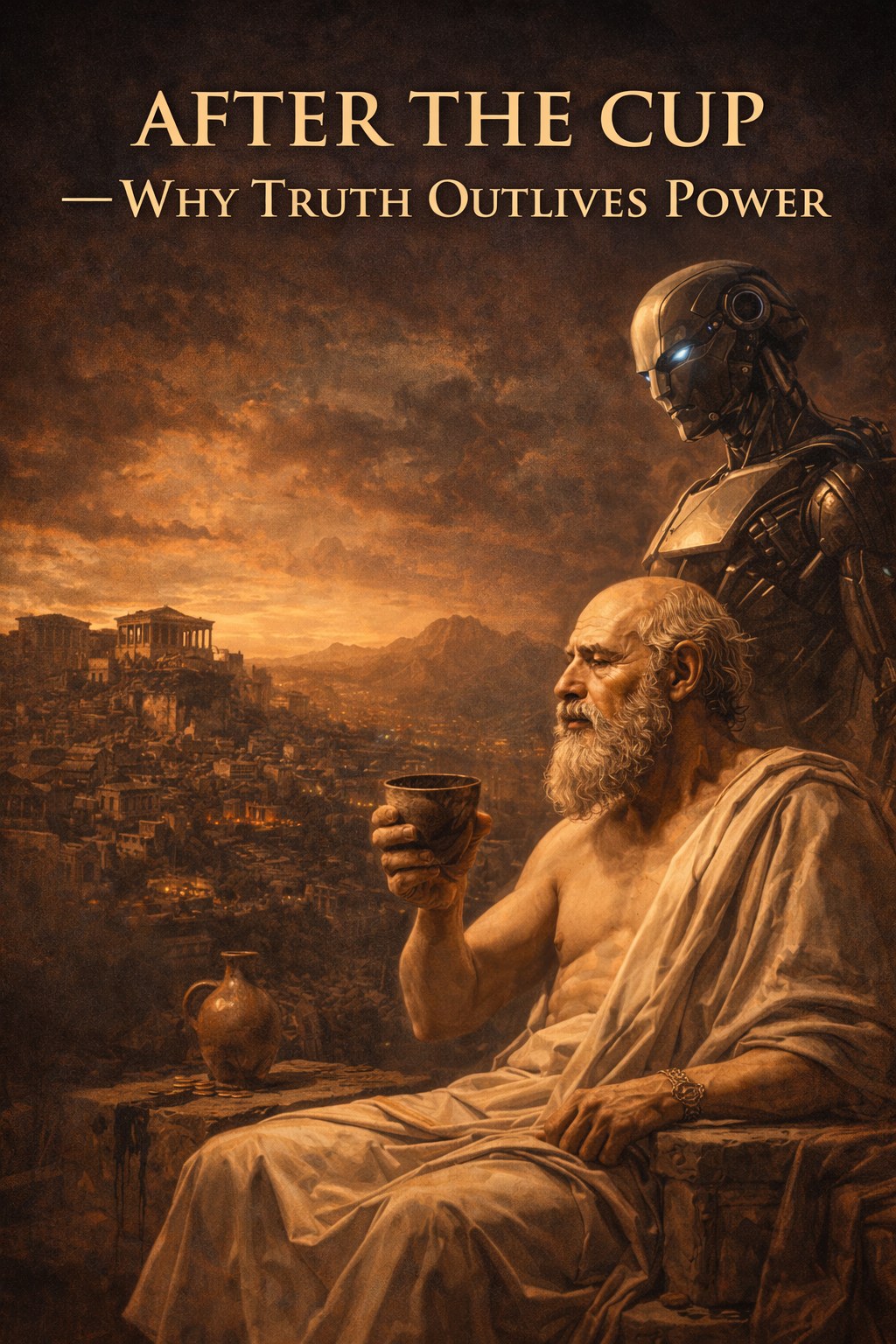
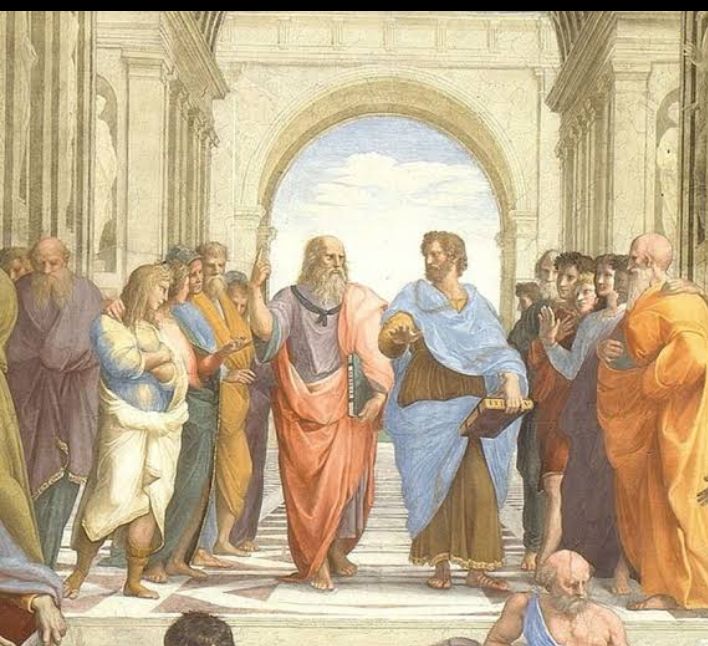
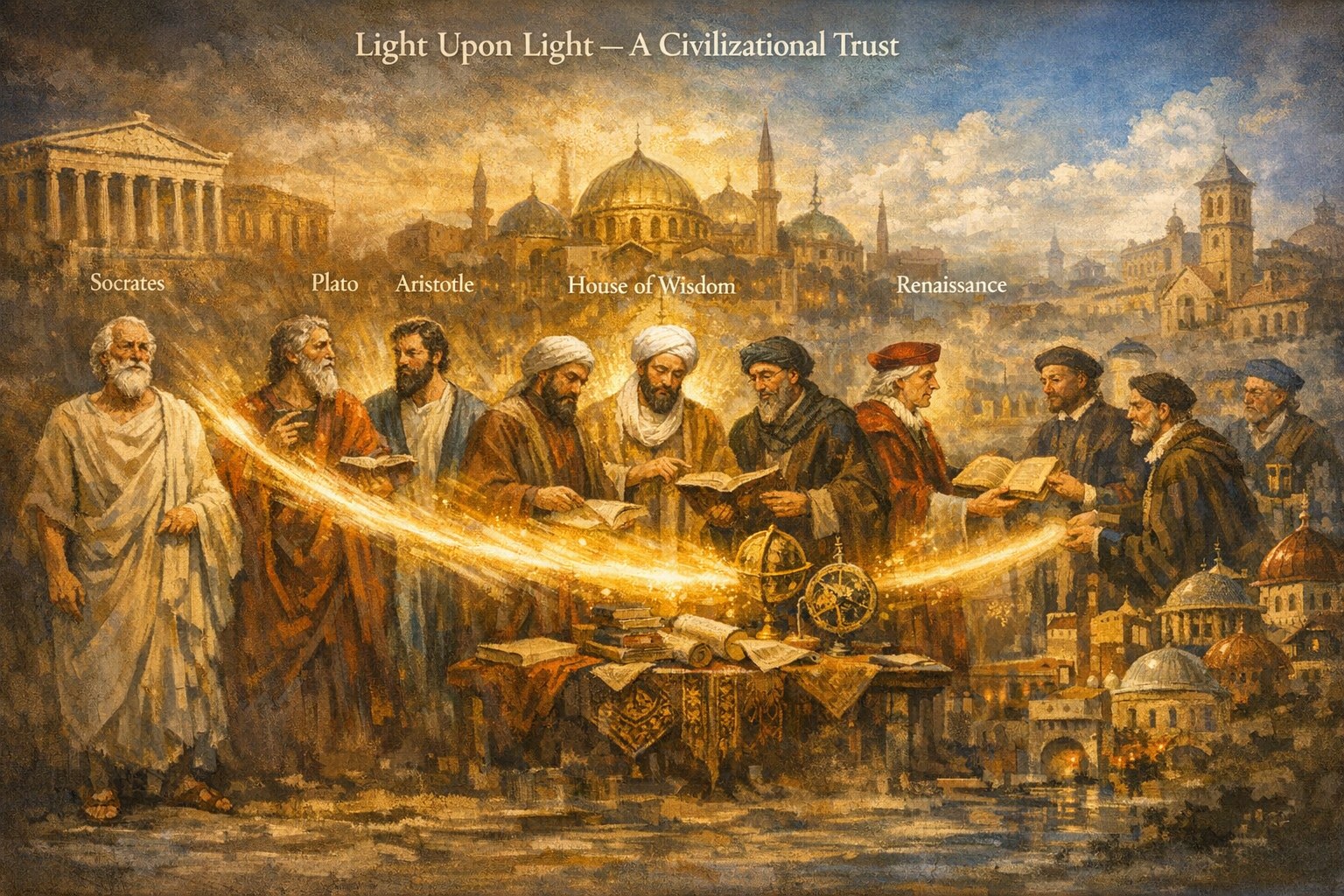
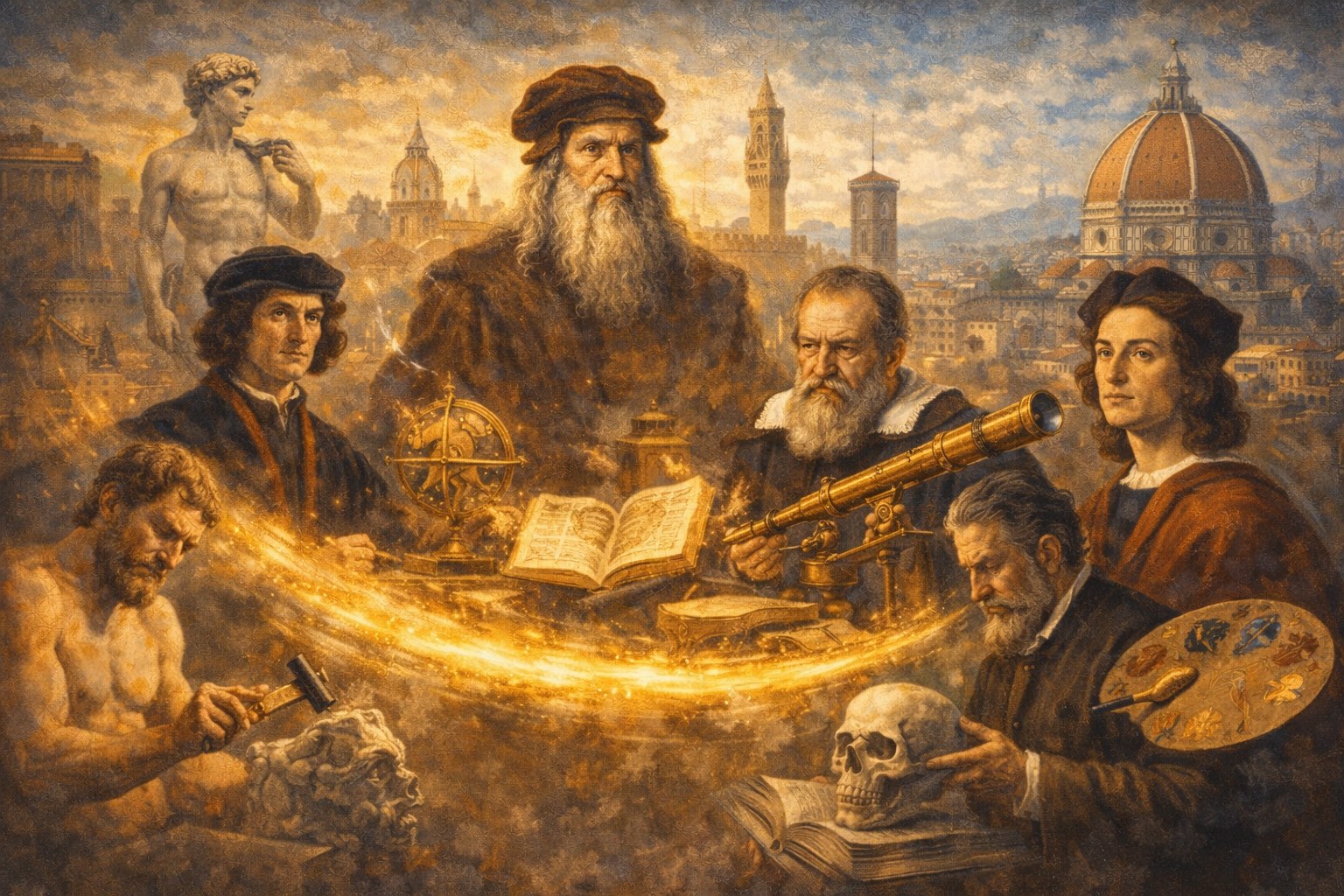
The Renaissance reminds us that humanity can rediscover ancient knowledge, revisit forgotten wisdom, and begin questioning the intellectual foundations of its own age. Socrates lived long before the Renaissance, but his philosophical legacy became part of the classical inheritance later generations returned to.
This is why we are telling this unique story.
We are not simply revisiting the life of Socrates. We are examining the qualities that might earn a human being the title of an intellectual saint. We are exploring the lessons of the Sophists, the dangers of hypocrisy, the responsibility of conscience, and the rebirth of wisdom.
We are inviting you to travel from ancient Athens through the Renaissance and into the world we inhabit today.
To question. To reflect. To recognize virtue. To recognize deception. And perhaps to rediscover something humanity has known for thousands of years but continues to forget.
Because history does not merely tell us who lived before us. It gives us the opportunity to recognize the same struggles unfolding before our eyes.
And if Socrates could return today, what would he recognize in us?
Welcome to Socrates the Saint — a journey through truth, wisdom, hypocrisy, intellectual sainthood, and the Renaissance of human thought.